 AETHERIUM
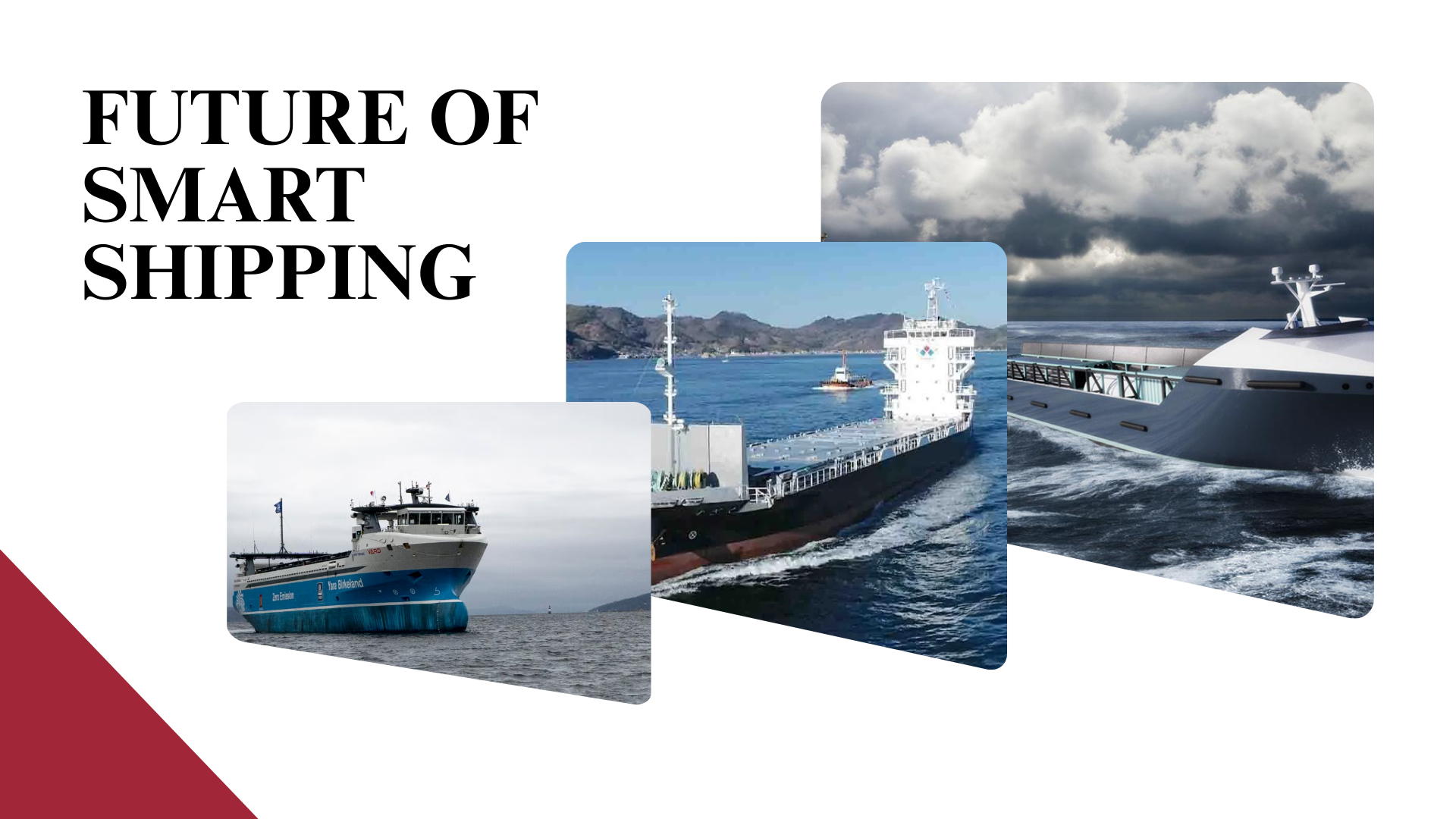
Autonomous Cargo Ships: The Future of Maritime Transport 🚢🤖
Autonomous Cargo Ship is an innovative maritime technology where cargo ships operate without a full human crew, using advanced automation, artificial intelligence, and sensors. These ships are designed to navigate oceans safely, transport goods efficiently, and reduce human intervention in routine shipping operations. Autonomous cargo ships are part of the broader trend of smart shipping, which aims to make maritime logistics faster, safer, and more cost-effective.
How Autonomous Cargo Ships Work
Autonomous cargo ships rely on a combination of technology and remote monitoring:
Sensors and Radar Systems
Ships are equipped with multiple sensors, radars, and cameras that detect other vessels, obstacles, and weather conditions.
Artificial Intelligence (AI)
AI software processes sensor data, predicts risks, and makes navigation decisions automatically.
GPS and Navigation Systems
GPS allows the ship to follow predefined routes accurately, avoiding collisions and optimizing fuel efficiency.
Remote Monitoring Centers
Engineers onshore can monitor the ship’s performance and intervene if necessary, ensuring safety and smooth operation.
Advantages of Autonomous Cargo Ships
Reduced Human Error: Automation reduces mistakes caused by fatigue or human judgment.
Lower Operating Costs: Fewer crew members and optimized fuel usage reduce shipping costs.
Enhanced Safety: AI navigation and sensors help avoid accidents at sea.
Environmental Benefits: Optimized routes and fuel efficiency lower emissions.
Access to Remote Areas: Autonomous ships can operate in regions that are dangerous or hard to reach
Challenges
High Development Costs: Designing and building autonomous ships is expensive.
Cybersecurity Risks: Ships are vulnerable to hacking or digital attacks.
Regulatory Hurdles: International maritime laws need updates to regulate unmanned ships.
Technical Reliability: AI systems must be highly reliable to handle unexpected situations.
Companies Leading the Way
Several companies are developing autonomous cargo technology:
Kongsberg Gruppen – develops autonomous navigation systems for ships.
Rolls-Royce Holdings – working on autonomous ship prototypes and control software.
Other major shipping companies are experimenting with hybrid systems combining automation and remote control.
Future of Autonomous Cargo Ships
The future of shipping is heading towards fully autonomous vessels that can sail long distances with minimal human involvement. These ships promise faster deliveries, safer oceans, and greener operations. As AI and sensor technology improve, autonomous cargo ships may become standard in global trade, revolutionizing the maritime industry.