 AETHERIUM
Hydrogen Fuel Cell in Drones: The Future of Clean Aerial Technology 🚁⚡
Introduction
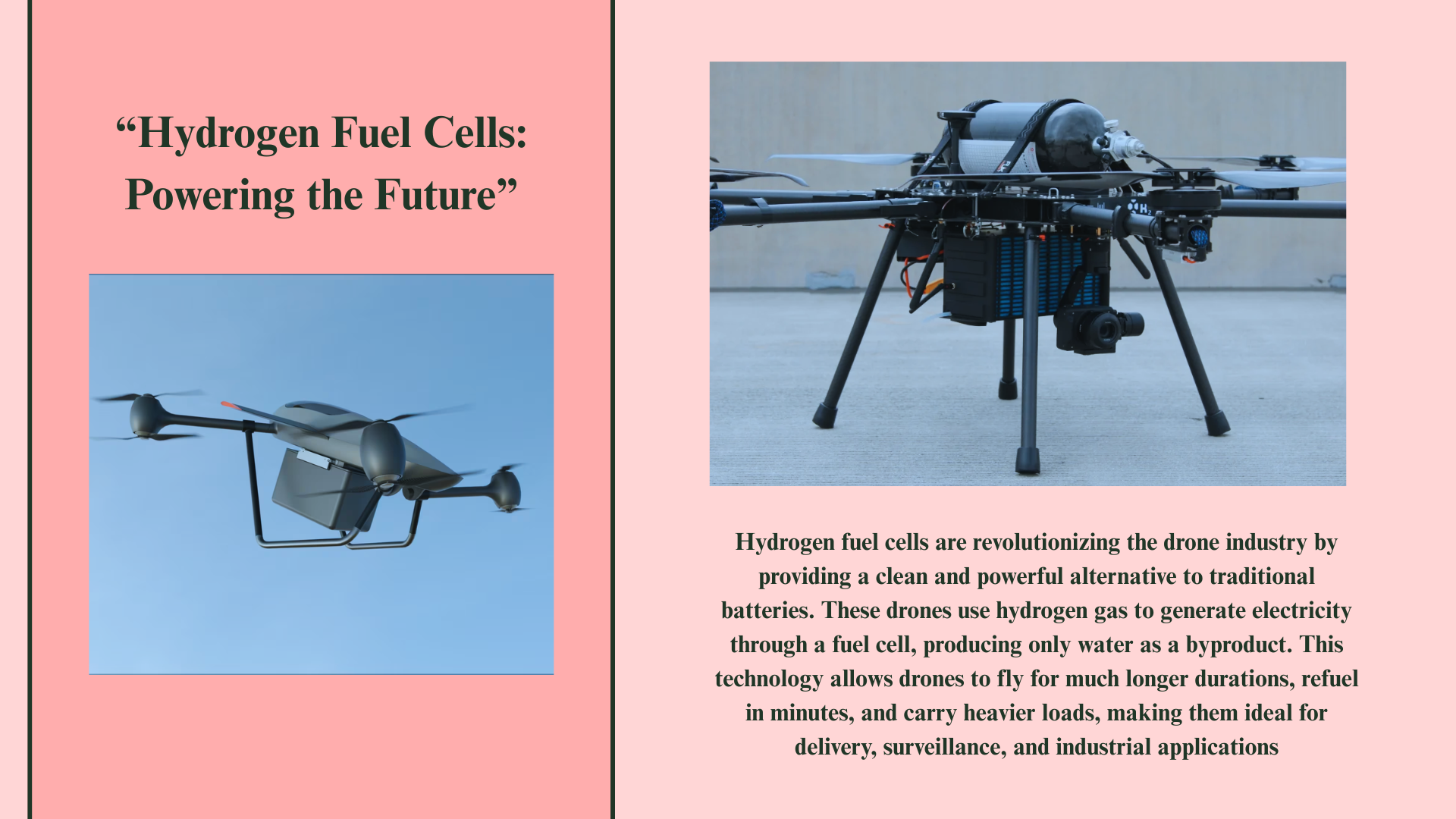
Hydrogen fuel cells are revolutionizing the drone industry by providing a clean and powerful alternative to traditional batteries. Unlike regular battery-powered drones, hydrogen fuel cell drones generate electricity using hydrogen gas, producing only water as a byproduct. This makes them eco-friendly, long-lasting, and ideal for modern aerial applications. 🌱
What is a Hydrogen Fuel Cell Drone?
A hydrogen fuel cell drone is a type of unmanned aerial vehicle (UAV) that uses hydrogen gas to generate electricity through a fuel cell. This electricity powers the drone’s motors, allowing it to fly. The only emission is water 💧, making it a zero-pollution drone
These drones are increasingly being used for:
Delivery services 📦
Surveillance and monitoring 🛰️
Industrial and agricultural applications 🌾
How Do Hydrogen Fuel Cell Drones Work? ⚙️
The working principle is simple:
Hydrogen gas is stored in a tank onboard the drone.
The fuel cell reacts hydrogen with oxygen from the air.
This reaction produces electricity to power the motors, and water as a harmless byproduct.
AI and onboard sensors help the drone navigate efficiently and optimize energy use 🤖🧭.
This combination of clean energy + AI intelligence allows drones to fly longer, carry heavier payloads, and operate autonomously.
Advantages of Hydrogen Fuel Cell Drones
Feature Benefit
Longer flight time ⏱️ Can fly 2–3 times longer than battery drone
Fast refueling ⛽ Refills in 5–10 minutes vs. hours for batteries
Eco-friendly 🌱 Only water is emitted, zero pollution
Heavy payload 🚚 Can carry larger weights efficiently
Smart operation 🤖 AI enables autonomous navigation and energy optimization
Companies Leading the Way 🌍
Doosan Mobility Innovation – Long-duration hydrogen-powered drones, South Korea 🚁
Intelligent Energy – Hydrogen fuel cell systems for UAVs, UK ⚡
H3 Dynamics – Hydrogen drones for industrial and surveillance applications 🌐
Major tech companies are combining AI + hydrogen fuel cells to create drones that are both powerful and intelligent, capable of performing complex missions without human control.
Future Scope of Hydrogen Fuel Cell Drones 🚀
Hydrogen fuel cell drones have huge potential:
Delivery services – Quick transport to remote areas
Surveillance & security – Long-duration border or industrial monitoring
Disaster management – Rescue operations without battery limits
Agriculture – Monitoring crops, spraying fertilizers, and irrigation management
With countries investing in green energy and AI technologies, hydrogen drones are set to become a major player in aerial innovation. 🌏
Conclusion
Hydrogen fuel cell drones combine clean energy, long flight endurance, and AI-powered intelligence to redefine what drones can do. While cost and infrastructure challenges remain, this technology is shaping the future of sustainable aviation, making drones more efficient, eco-friendly, and versatile than ever.